
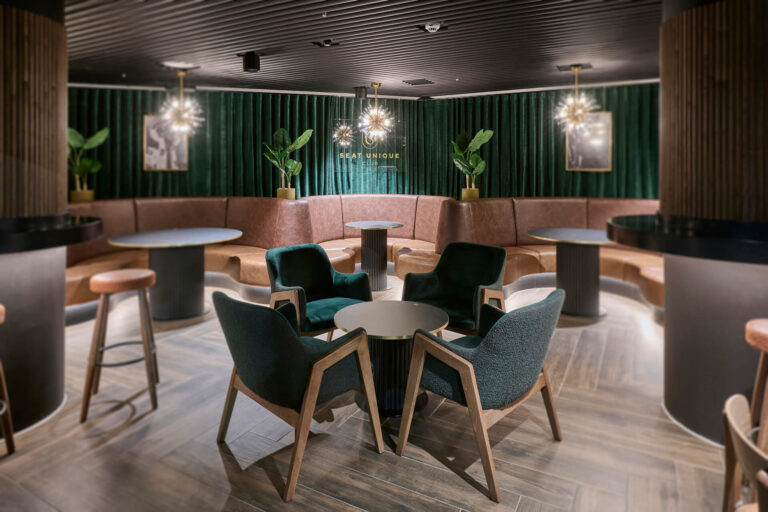
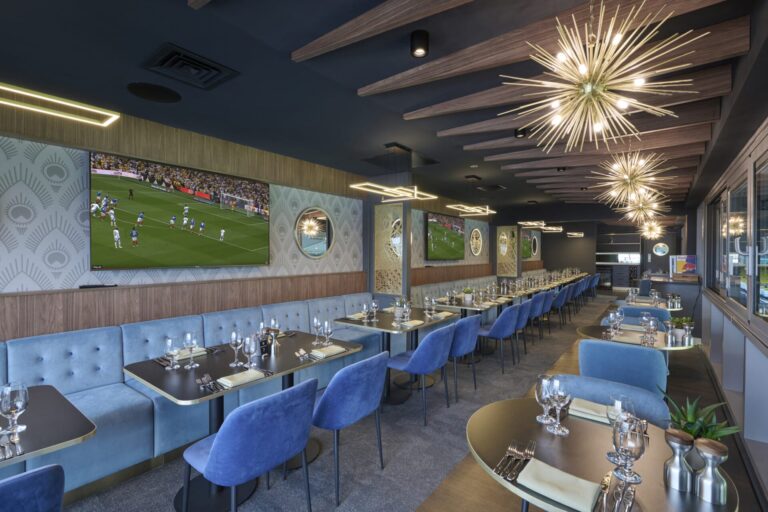
Premium hospitality is one of the biggest commercial opportunities in modern sport. Clubs need to generate more value from their venues, improve matchday spend, attract commercial partners and create spaces that work harder across the calendar.
But there is tension.
Football clubs, cricket grounds and stadium venues are not luxury hotels. They are places of identity, loyalty, memory and atmosphere. Supporters do not simply buy a ticket to watch a fixture. They belong to something. They return because the ground feels like theirs.
That makes stadium hospitality different from other premium environments. The challenge is not only how to create higher-value spaces. It is how to do that without making loyal supporters feel pushed out, priced out or culturally removed from the club they helped build.
The strongest stadium hospitality strategy does not treat premium guests and general supporters as separate worlds. It creates better environments across the venue, protects the energy of the stadium and makes premium feel aspirational rather than alienating.
For clubs and venue operators, design plays a central role in that balance.
Why Is Premiumisation Such a Sensitive Issue in Sport?
Premiumisation can be commercially powerful, but in sport it carries emotional risk.
In a restaurant, theatre or members’ club, a premium upgrade is usually understood as a private choice. In a stadium, it can be read differently. If supporters see investment flowing only into VIP lounges, corporate suites and exclusive entrances while concourses, fan bars, seating areas or toilets feel neglected, the message can feel uncomfortable.
That is when premiumisation starts to look like separation.
Supporters may accept that premium spaces exist. Many even see them as part of the modern commercial reality of sport. What they are less likely to accept is the feeling that the traditional fan experience is being downgraded, squeezed or ignored to make room for a more profitable audience.
This is why inclusive premium hospitality matters. It does not mean every space has to be accessible to every fan at the same price point. It means the whole venue experience should feel considered. Premium should raise standards, not create resentment.
Does Premium Hospitality Damage Stadium Atmosphere?
Premium hospitality can damage atmosphere when it removes too much energy from the bowl, breaks up supporter communities or creates spaces that feel disconnected from the match.
The most obvious example is the empty premium seat problem. If hospitality guests spend too long in lounges before kick-off, return late after half-time or leave the bowl for long periods during play, the stadium can look and feel flatter. The issue is not simply visual. It affects noise, momentum and the emotional rhythm of the event.
Good hospitality design should work with the atmosphere, not compete with it.
That means planning spaces so guests can move quickly between lounge and seat. It means service models that reduce queues without encouraging people to miss key moments. It means creating pre-match and post-match value without pulling people away from the action for too long.
Premium guests should still feel part of the crowd. They may have more comfort, better service and a more elevated environment, but they should not feel detached from the live energy that makes sport valuable in the first place.
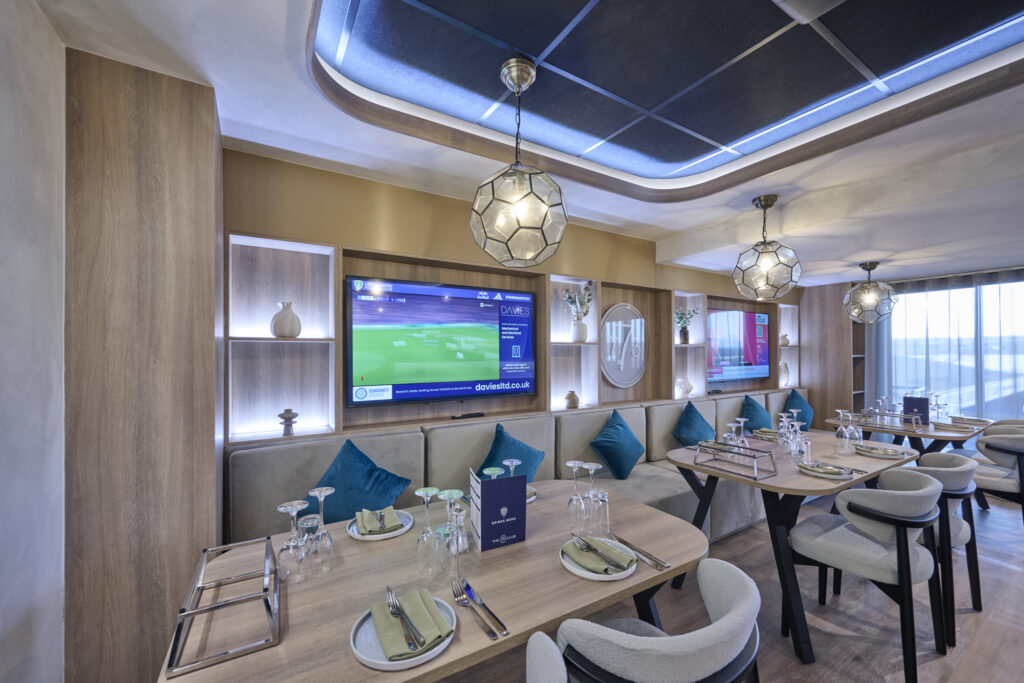
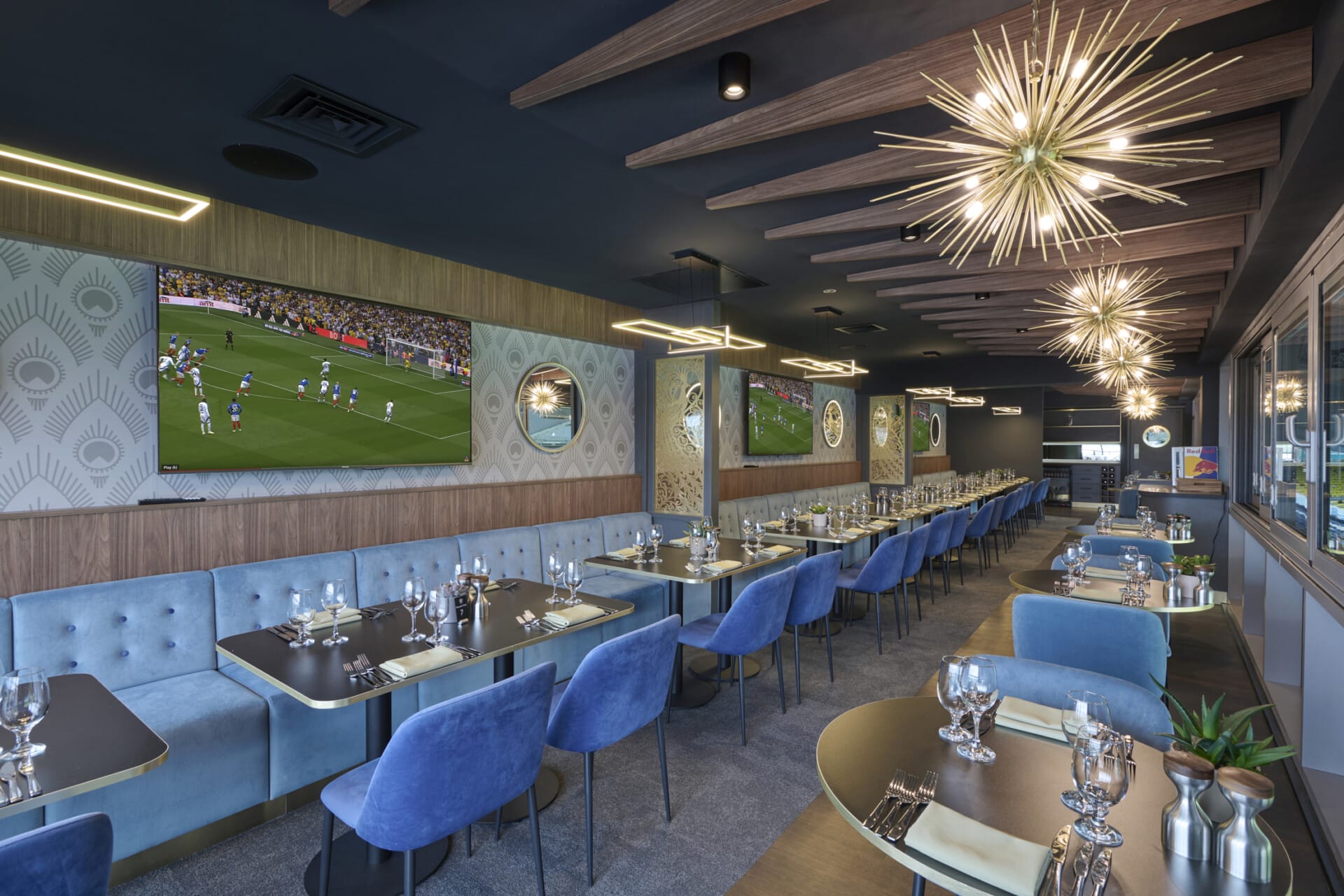
DT Sports x Leeds United 773 Suite
How Can Premium Feel Aspirational Rather Than Alienating?
Premium feels aspirational when it is visibly connected to the club, the venue and the supporter culture around it.
It feels alienating when it looks like it has been imported from somewhere else.
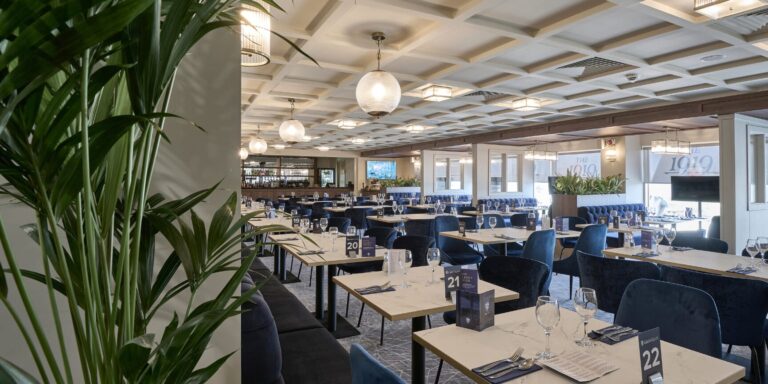
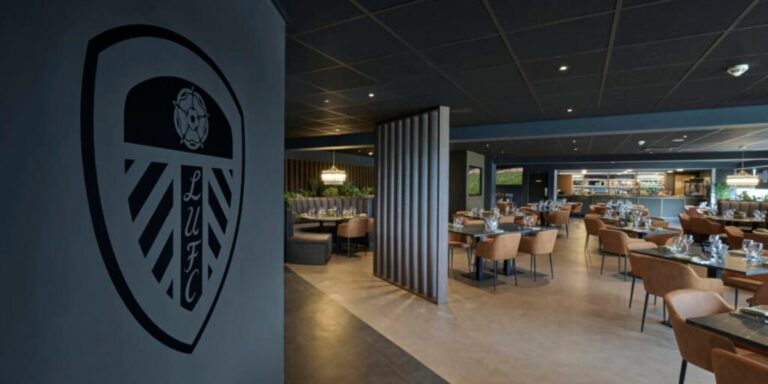
A stadium lounge does not need to be covered in club colours or historic graphics to feel authentic. In fact, heavy-handed theming can make premium spaces feel less sophisticated. The stronger approach is usually more layered: materials, lighting, furniture, artwork, sightlines, detailing and subtle references that connect the space to the identity of the club.
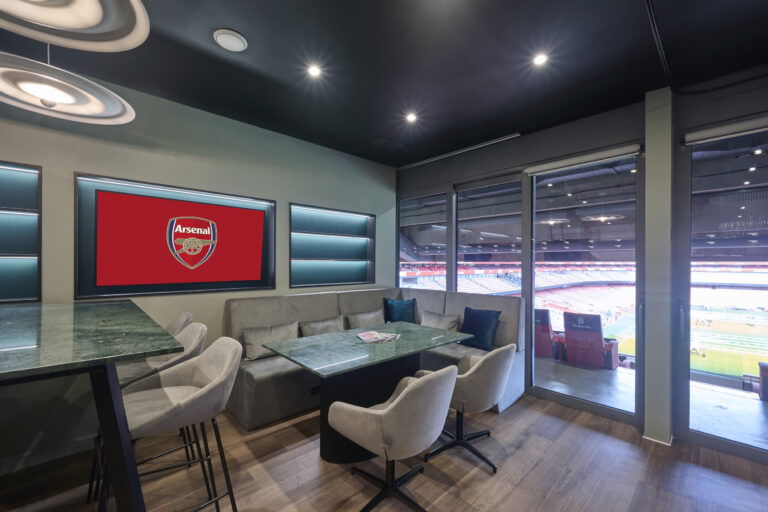
This is where sports hospitality interiors need a different mindset from generic VIP design. A premium lounge should feel elevated, but it should still belong in that stadium. A private suite should feel exclusive, but not anonymous. A restaurant should feel commercially strong, but not disconnected from matchday emotion.
When premium spaces respect the wider culture of the venue, supporters are more likely to see them as a natural evolution rather than a threat.
Why Access Matters in Inclusive Premium Hospitality
Access is one of the most important parts of the premiumisation debate.
Not every supporter can or will buy a hospitality package. But clubs can still design their hospitality strategy in a way that feels more inclusive. This may include different tiers of premium experience, occasional upgrade opportunities, member events, seasonal offers, group packages or spaces that flex between premium and wider supporter use depending on the fixture or event.
The principle is simple: premium should not feel like a closed world.
A club might have high-end private boxes, mid-tier lounges, upgraded bars, family-friendly hospitality and informal social spaces that create a ladder of experience. That ladder matters because it gives supporters somewhere to aspire to without implying that only the highest-paying guest matters.
Design can support this by creating spaces with different levels of formality. Not every premium area needs white-tablecloth dining. Some of the most commercially effective environments are relaxed, social and atmospheric. They offer better comfort and service, but still feel recognisably part of the matchday culture.
How Can Stadium Design Support VIP Guests and Loyal Supporters?
The best stadium hospitality strategy starts with the whole supporter journey, not just the premium room.
A VIP guest may arrive through a private entrance, enjoy a lounge, sit in a premium seat and return for post-match drinks. A season ticket holder may arrive through a busy concourse, meet friends at the same bar, walk the same route to the same seat and repeat that ritual every week.
Both journeys matter.
Design should understand how different audiences move, gather, queue, dwell, spend and return. If premium circulation interrupts general admission flow, it creates friction. If new lounges reduce concourse space, it creates resentment. If premium entrances feel overly dominant at the expense of the wider fan arrival, it changes the emotional hierarchy of the venue.
The right design approach considers adjacencies, entrances, sightlines, service points, vertical circulation, toilets, back-of-house movement, security and the timing of guest behaviour.
This is where hospitality revenue and fan experience design are closely connected. Better layouts can increase spend and satisfaction, but they can also protect atmosphere and reduce operational pressure across the stadium.
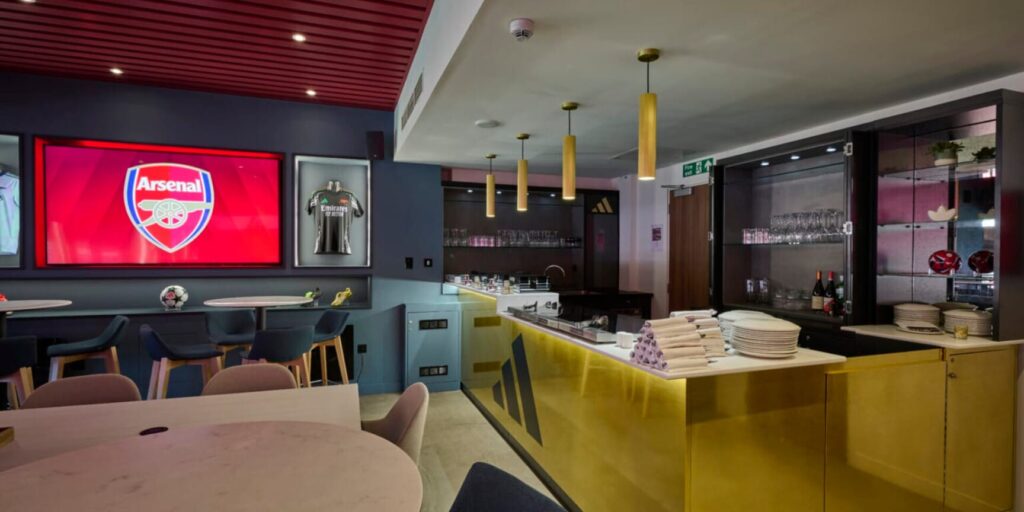
DT Sport x Savvy x Emirates Stadium
What Role Does Supporter Identity Play?
Supporter identity is not a decorative layer. It is the foundation of the stadium experience.
A club’s hospitality spaces should understand the history, tone and behaviour of the fanbase. A lounge at Leeds United, a Nottingham Forest suite, The Millichip Suite at West Bromwich Albion or The Hawke Suite at YCCC should not all feel the same, because the audiences, rituals and venue identities are different.
Premium design becomes stronger when it responds to that context.
At some clubs, the right atmosphere may be energetic, loud and social. At others, it may be more heritage-led, refined or intimate. A cricket hospitality environment may need a different rhythm from a football matchday suite. A stadium restaurant used for non-matchday events may need to flex again.
This is why copy-and-paste hospitality design rarely works in sport. Premium spaces need commercial discipline, but they also need cultural intelligence.
How Can Clubs Protect Loyalty While Growing Revenue?
Loyalty is built through consistency, recognition and respect.
When clubs invest in hospitality, they should also consider how that investment is communicated and experienced by the wider fanbase. Supporters are more likely to accept premium development when they can see that the club is improving the venue as a whole.
That might mean upgrading general concourses alongside hospitality suites. It might mean improving wayfinding, toilets, bars, seating comfort or fan zones. It might mean using the same design quality principles across different areas, even if the finish level changes.
A strong stadium hospitality strategy should not say: “These guests matter more.”
It should say: “This venue is moving forward.”
That distinction is important. Premium environments can create revenue that supports wider investment, but the design and messaging need to make that feel credible. If supporters feel the club is building a better home for everyone, hospitality growth becomes less divisive.
How Can Premium Spaces Support the Wider Venue Strategy?
Modern hospitality spaces should work beyond the fixture list.
Suites, lounges and restaurants can support private dining, corporate events, partner activations, awards evenings, conferences, screenings, community events and non-matchday functions. That commercial flexibility is increasingly important for clubs trying to maximise stadium revenue.
But again, flexibility should not come at the expense of identity.
The best spaces can adapt without becoming generic. Furniture, lighting, AV, storage, catering infrastructure and service routes all help a room shift between matchday and non-matchday use. Materials, detailing, graphics and atmosphere help it remain connected to the venue.
This is especially important for clubs that want to grow hospitality revenue while maintaining supporter trust. A commercially useful premium space does not need to feel like a corporate insert. It can still feel like part of the club.
For more insight, explore our recent articles; ‘Maximising Hospitality Suite Revenue During the Festive Season’ and ‘How Stadium Design boosts Ticket Sales and increases Revenue’.
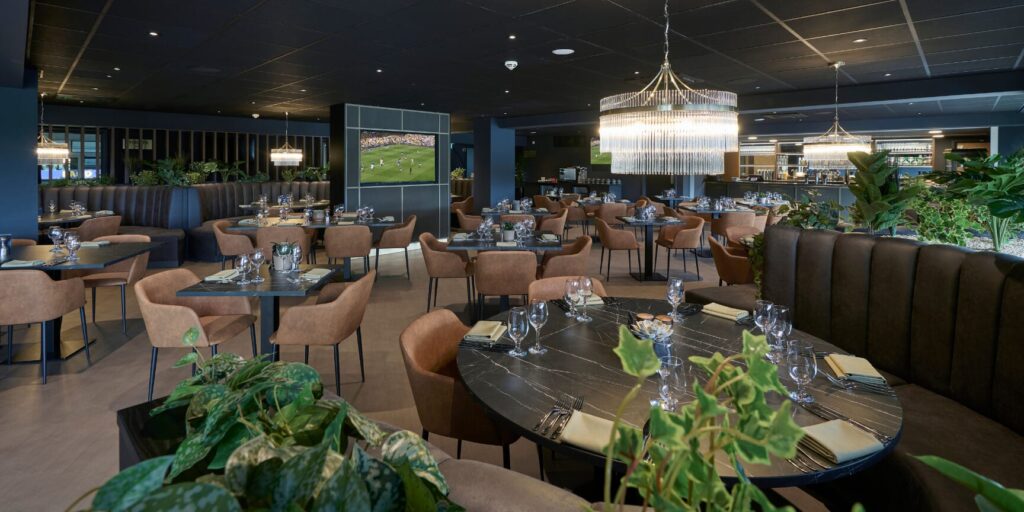
Design Tonic x Leeds United Eddie Gray Suite
What Does Inclusive Premium Hospitality Look Like?
Inclusive premium hospitality is not about removing exclusivity. It is about designing exclusivity carefully.
It may include:
- Spaces that feel elevated but still connected to the stadium atmosphere.
- Hospitality offers at different price points, from informal premium bars to high-end suites.
- Layouts that keep premium guests close to the live action.
- Design details that reference club identity without becoming over-themed.
- Flexible lounges that support matchday and non-matchday revenue.
- Improved general fan environments, so premium investment does not feel one-sided.
- Clear circulation that prevents premium access from disrupting wider supporter movement.
- A sense of aspiration, rather than separation.
This is the difference between premiumisation that strengthens a venue and premiumisation that weakens supporter trust.
DT Sports: Designing Premium Stadium Hospitality That Still Feels Connected
Premium stadium hospitality is not just a commercial product. It is part of the live sports environment.
For clubs, the opportunity is to create higher-value spaces that improve revenue, strengthen partner appeal and support year-round use, while protecting the atmosphere and identity that make the venue special in the first place.
That balance does not happen by accident.
It requires careful thinking around layout, atmosphere, access, service, materials, circulation, supporter culture and long-term flexibility. It also requires a design approach that understands both sides of the venue: the commercial need to create premium value and the emotional need to protect the fan experience.
DT Sports works with clubs and sports organisations to create hospitality, premium and fan experience environments that feel commercially effective, operationally practical and culturally connected.
From Leeds United hospitality spaces and Nottingham Forest suites to The Millichip Suite at West Bromwich Albion and YCCC hospitality environments, the aim is not simply to make spaces look premium. It is to make them work for the venue, the guest and the wider supporter culture.
Frequently Asked Questions:
What are the signs that a stadium hospitality space needs redesigning?
A hospitality space may need redesigning if guests arrive late to seats, queues build around bars or food service, lounges feel empty outside peak moments, renewal rates soften, or the space struggles to support non-matchday events. Other signs include poor circulation, tired finishes, limited flexibility, weak brand expression or guest feedback suggesting the experience no longer feels premium enough for the price point.
How can clubs make hospitality spaces work beyond matchday?
Clubs can make hospitality spaces work beyond matchday by designing them for conferences, private dining, partner events, award evenings, product launches, screenings and community use. This requires flexible furniture, strong AV, controllable lighting, suitable acoustics, catering infrastructure, storage, durable finishes and a layout that still feels valuable when there is no live fixture or pitch view.
What should clubs include in a stadium hospitality design brief?
A strong brief should define the target audience, matchday and non-matchday uses, service model, arrival journey, capacity, dwell time, relationship to the bowl, club identity, atmosphere goals, operational constraints and commercial objectives. It should also consider how the space affects wider supporter movement and fan experience.